
Current Thoughts
(Mostly Hawaii)
Hawaiʻi candidates test an electoral tradition
As Hawai‘i moves from the Primary Election Cycle to the General Election in 2026, it appears an interesting political experiment is underway. And it’s taking place right under the noses of voters, but in plain sight if a watcher of politics in Hawai‘i is paying attention.
PC: Gerd Altmann, CC0, via Wikimedia Commons
And, no, it’s not about mail-in voting or campaign spending…although it would be assumed that with what has happened on these two subjects, that would be the area to look at.
Instead, it is about whether candidates still have to debate.
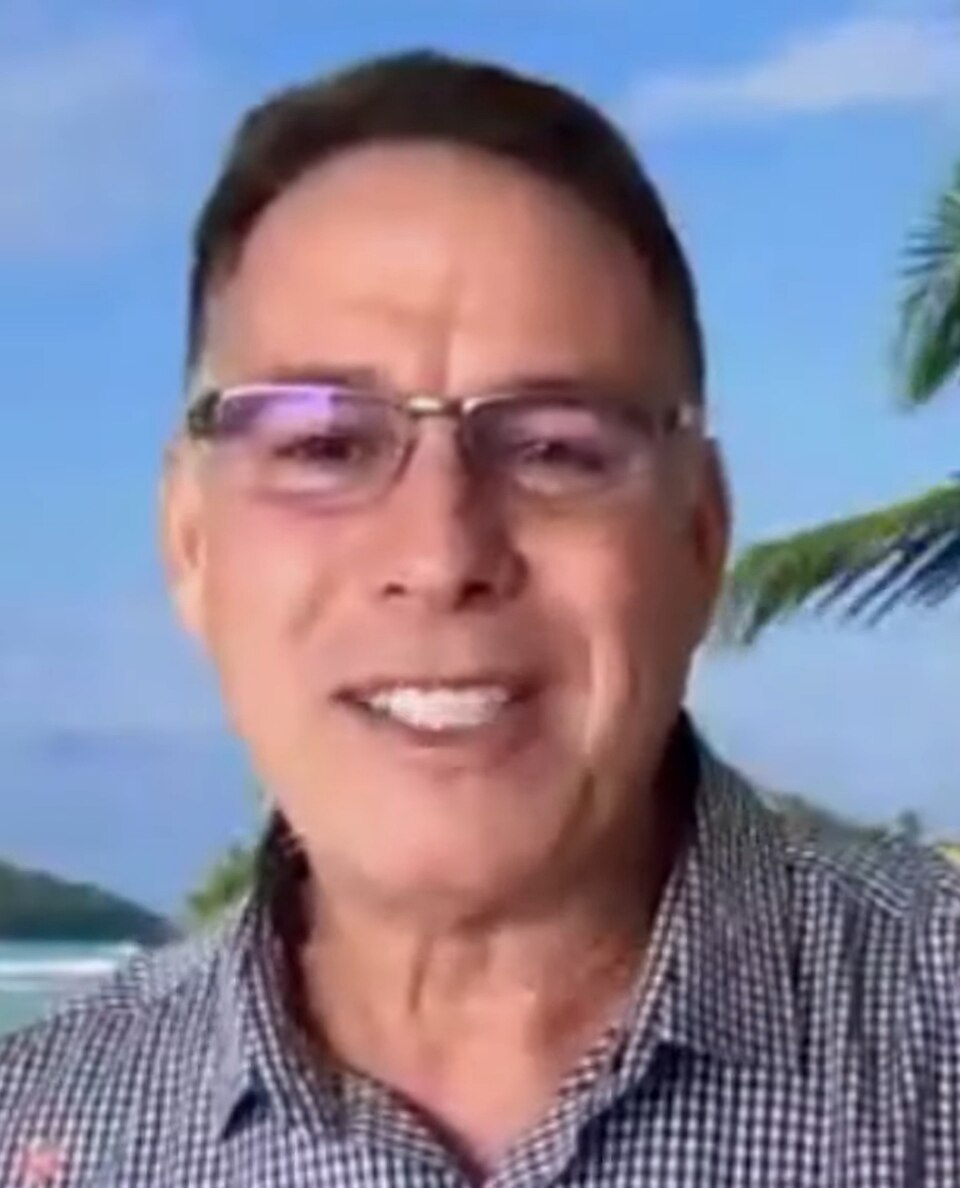
This humble blogger started to see something about this in the early days after the Primary Election, when notices about Democratic nominee for Governor Josh Green said in a Civil Beat article that the campaign has already told the main opponent – Republican nominee Gary Cordery – that there was “no way” – Civil Beat’s words, not PHwSF – that they would agree to debate.
To be fair, Civil Beat also reported that Green remains wary of the Aloha Freedom Coalition, headed by Cordery, citing the group’s tactics and antisemitic threats directed at Green during the COVID-19 restrictions.
PC: ThinkTech Hawaii, CC BY 3.0 https://creativecommons.org/licenses/by/3.0, via Wikimedia Commons
Soon after this announcement, another candidate who has now been given a second chance to campaign and win her seat in the General – Kanani Souza – was also reported to have declined an invitation to debate her opponent, Sheila Medeiros. A Facebook post on the Kapolei/Makakilo/Ewa Beach Community Politics Board criticized Souza for refusing the invitation, saying Medeiros had agreed to debate.
Now, a House race debate – that is one level where it probably would never be noticed by the general electorate whether it happened or not. For the bigger offices – well, that piques interest.
And when it comes to the Governor’s race – yeah, you bet people noticed.
They noticed because debating an opponent has long been treated as a political convention rather than a requirement. While there is no universal “rule” requiring a candidate to do so, that convention has been reinforced by the expectations of voters, the media, and civic groups.
Even the most recent General Election before this cycle, then-candidate Josh Green participated in at least one joint election forum with Republican challenger Duke Aiona. During the Primary, Green also debated both Kai Kahele and Vicky Cayetano. So the expectation that he would debate Cordery was somewhat baked into the matrix of events that would mark the General Election by many.
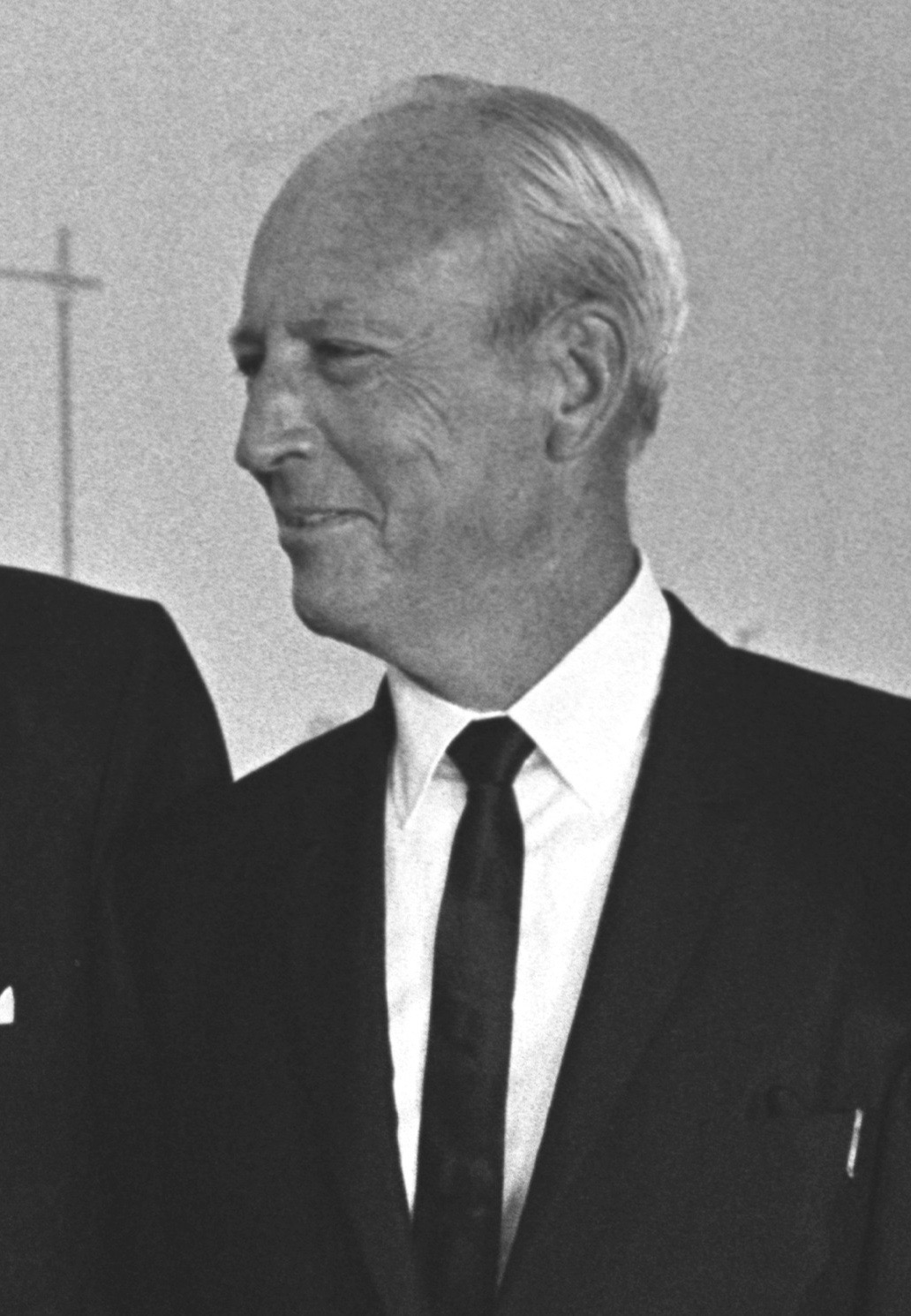
However, another former Governor of Hawai‘i made a similar choice. John Burns declined to debate his lieutenant governor, Tom Gill, during their 1970 Democratic primary. Accounts say that Burns campaigned as though he were unchallenged. He avoided public confrontations with Gill and instead used the media to get his message out.
PC: PHwSF from Wikimedia Commons
And Burns did this, all the while with polls showing that the race between them was tight – with Gill at 40% in one report, and Burns at 38%.
Whether intentional or not, Green is now following a similar political playbook.
But diving deeper into the voters’ expectations of candidates, one has to wonder if Green and Souza are tapping into something more profound about the voter – that being whether they care at all about seeing or hearing a debate between the candidates.
The answer might already have been given during the Primary – in the U.S. House of Representatives race between incumbent Ed Case and Jarrett Keohokalole. Case famously came out during the campaign and told the media that he would not debate his opponent, arguing that Keohokalole had offered no substantive policy proposals or alternative vision that warranted a debate.
Whether that is true or not, that is in the eye of the voter. But for Case, he took the criticism of not debating, kept on promoting his candidacy on TV and other media, and still won at the end by about 20 percentage points.
So could it be that the normative argument that every candidate “owes” the voters of Hawai‘i a debate is now up for, well, debate itself?
PC: ThePerfectYellow, CC BY 4.0 https://creativecommons.org/licenses/by/4.0, via Wikimedia Commons
There is, of course, another side to this. Debates were never supposed to exist simply because they benefited the candidates. They exist for the voters. A voter could reasonably argue that someone asking to serve as Governor should be willing to stand next to the other major-party nominee, answer questions, and defend his record.
And this may be where what is good campaign strategy runs head-on into what is good democratic practice. Because what these races suggest is that the electoral penalty for refusing to debate may not be enough to threaten either an incumbent or a perceived frontrunner seeking an open office.
Della Au Belatti versus Derek Kawakami for Lieutenant Governor offers another variation. Kawakami declined at least one invitation to a Civil Beat candidate forum, although he and Belatti did appear together in another televised forum. In the end, neither his refusal to participate in every forum nor his eventual appearance with Belatti appeared to fundamentally change the trajectory of the race.
With prior campaigns apparently not being penalized for refusing to debate, the argument against doing a debate or forum with an opponent becomes much more viable. After all, if you as the candidate won’t see the electorate reject you for not doing it, why put a campaign that looks like it’s going to win, anyway, in any harm’s way by platforming and maybe promoting the voice of its opponent?
This is the political calculation that can be made from Green’s decision not to debate Cordery. It is what Case did, and the results speak for themselves.
Because in the end, with a challenger behind, what they are looking for in a debate is something to change the dynamic of the race – a soundbite that attracts voters to consider him a more serious choice, or something else that disrupts the race and closes the gap between him and Green.
And Green, entering the General Election from a position of considerable political strength, is making (so far) the decision not to debate and instead get his message out through other means.
At the end, though, will voters really care? Will they demand a time when they hear from both candidates? Or have we reached a point where voters do their own research, pick their candidate and move on — debate or no debate?
Ed Case tested that proposition in the Primary and won by 20 points. Now Josh Green is testing it in the General. And perhaps that is the real experiment taking place right under the noses of Hawaiʻi voters, which is:
If refusing to debate carries no penalty at the ballot box, why would a candidate who is already winning take the risk?
We’ll find out on election night, Tuesday, November 3.
Ozawa vs. Waters III: The final round?
In over 30 years of watching Hawaiʻi electoral politics by this blogger, one thing has become increasingly apparent: sometimes the election doesn’t end when the votes are counted.
Few political rivalries demonstrate that better than Trevor Ozawa and Tommy Waters.
For over 12 years, the two have fought three election battles that ended up before the Hawaiʻi Supreme Court.
In political terms, it has become something of our own Ali-Frazier trilogy. And with the third “bout” just concluding at the Hawaiʻi Supreme Court, it seems like a good time to look back at how we got here.
And just for fun, let’s portray it as bouts…keeping with the boxing analogy.
Bout I: 2014 — 41 votes
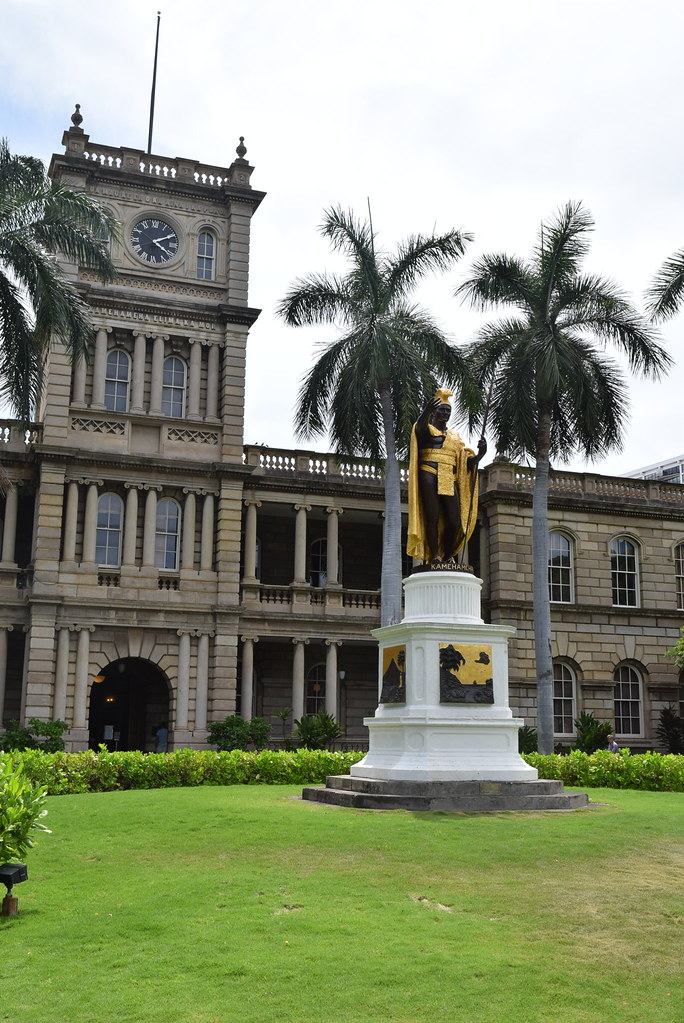
PC: “Hawaii Supreme Court, behind King Kamehameha – Downtown Hawaii” by Haydn Blackey is licensed under CC BY-SA 2.0.
The first bout between Trevor Ozawa and Tommy Waters came in 2014, when the two faced off for the Honolulu City Council District IV seat.
And going into the general election, Waters appeared to have the advantage.
Waters finished first in the August primary with 10,110 votes, or 32.8 percent. Ozawa came in second with 8,012 votes, or 26 percent. Neither received the majority needed to win outright, sending both into the November general election.
If this were boxing, Waters won the opening round.
But November would be a different fight.
The race was close — although, in hindsight, not nearly as close as their next one would be. Waters led through much of election night, but when the final returns came in, Ozawa had pulled ahead.
After the votes were audited and reconciled, the final count stood at:
Trevor Ozawa — 16,374.
Tommy Waters — 16,333.
Forty-one votes.
More than 32,000 people had voted for the two candidates, and just 41 votes separated the winner from the loser.
Waters, however, wasn’t ready to hear the final bell. On November 24, he took the fight to the Hawaiʻi Supreme Court, challenging the election results and pointing to discrepancies in the vote count.
Among the issues raised were 11 overages and 39 underages in election records, along with questions about ballots recorded as blank. Waters argued that 74 of those blank ballots may actually have contained valid votes for either candidate.
In a race decided by only 41 votes, 74 ballots mattered. Waters wanted the blank ballots manually reviewed. If the actual winner could not be determined from that examination, he wanted a new election.
Ozawa argued that the election system had done its job. The votes had been checked, the auditing process had been completed, and the result should stand.
Then, on Christmas Eve, the decision came down. The Hawaiʻi Supreme Court ruled that Waters had not provided sufficient evidence of errors or irregularities that could change the outcome of the election. Therefore, the 41-vote victory stood. Trevor Ozawa took the District 4 seat.
And bout I went to Ozawa.
Bout II: 2018–19 — The Rematch
PC: https://www.trevorozawa.com/photos/family-landscape.jpg
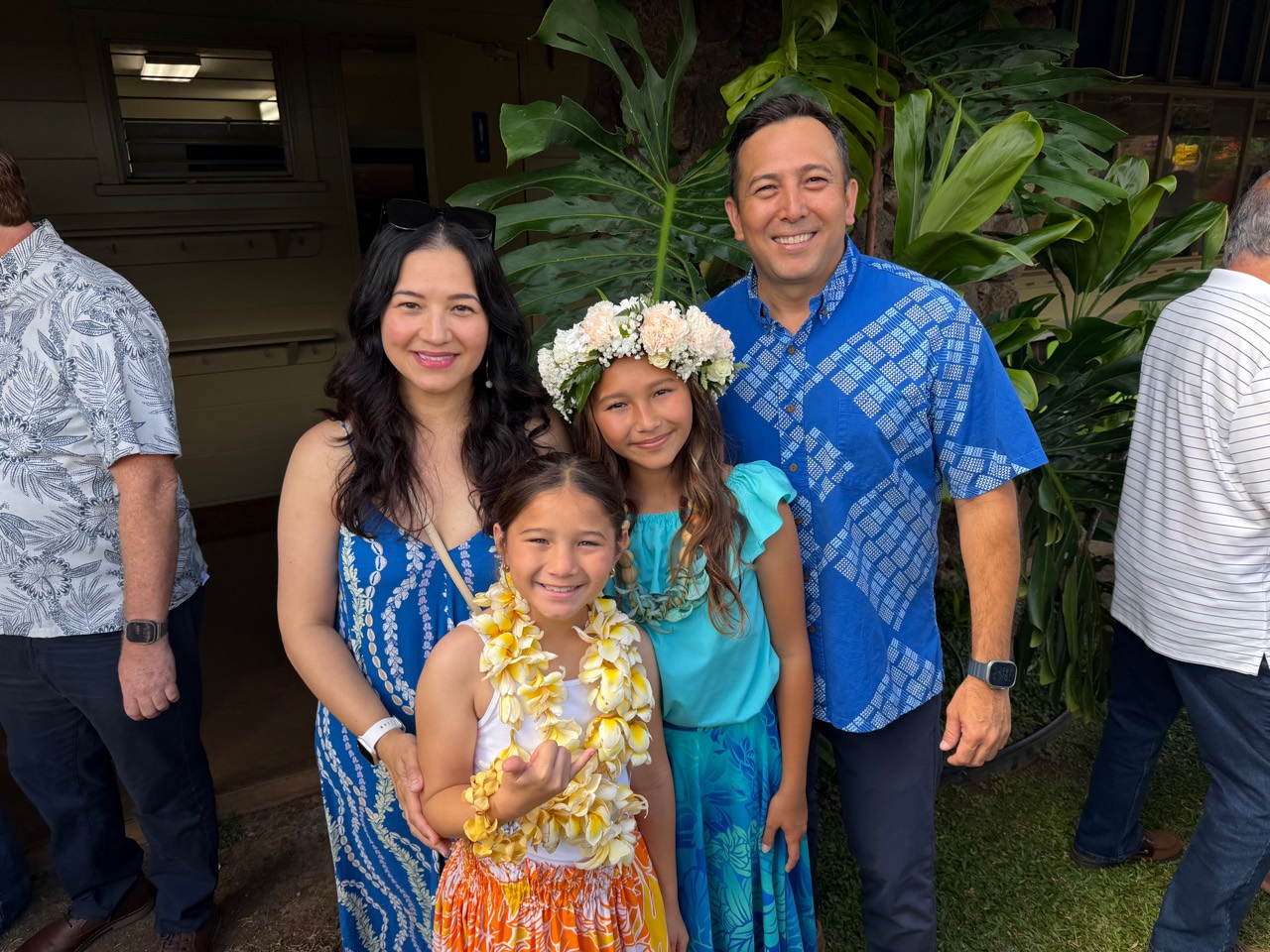
Ozawa was again declared the winner, receiving 18,358 votes to Waters’ 18,336. This time, the difference was only 22 votes, compared to 41 votes separating them in 2014.
Four years later, Tommy Waters and Trevor Ozawa were back at it again. Same two candidates. Same City Council District 4 seat. And somehow, an even closer result.
And just like 2014, Waters went to court. This time, however, he had a much stronger case.
The issue centered on 350 absentee ballots picked up from the Honolulu Airport post office after the 6 p.m. deadline on Election Day. The ballots were picked up in two batches, one around 6:30 p.m. and another around 7:30 p.m.
They were then mixed in and counted with the other ballots. That created a pretty obvious problem — 350 ballots that arrived after the deadline had been counted in an election decided by only 22 votes. Worse, once those ballots were mixed with the other ballots, there was no way to separate them and figure out who actually won.
On January 25, 2019, the Hawaiʻi Supreme Court invalidated the election. For the second time, Waters had taken his fight with Ozawa to the Hawaiʻi Supreme Court. Unlike 2014, this time he won.
But that didn’t make Waters the new councilmember. The court couldn’t determine who actually won the election, so District 4 voters had to go back and vote again.
And in a rarity in electoral politics overall, even more so in Hawaiʻi, the rematch needed a rematch.
So on April 13, 2019, voters went back to the polls for a special election between Ozawa and Waters. This time there was no 41-vote margin. There was no 22-vote margin. And there was no court challenge needed to figure out who won. Waters received 51.4 percent of the vote to Ozawa’s 48.5 percent.
Tommy Waters finally beat Trevor Ozawa. And bout II went to Waters.
After two rounds of this political fight, the score was even. Ozawa 1. Waters 1. For the next several years, it looked like that might be where the story ended.
It wasn’t.
Bout III: 2026 — The Final Round?

PC: Honolulu City Council web image at https://www.honolulucitycouncil.org/d4-blog/july-2025-message-from-cm-tommy-waters
After the second bout, most observers probably thought the Ozawa-Waters fights were over. After all, seven years would pass before the two would face each other again.
During those seven years, Waters would easily win reelection, rise to become Council Chair, and even generate some talk in political circles — which this blogger heard more than once — about a possible run for Mayor in 2028.
But Waters also attracted his share of controversy, from allowing a 64% Council pay raise to go forward to a Council leadership reorganization following his 5-4 loss on a sewer-fee vote that immediately raised questions about political retaliation.
So by the time the 2026 election came around, another question was hanging over Waters: Could he even run again?
After Waters filed to run, Christian Butt, a friend and former law school classmate of Waters, submitted a question about his eligibility to the Honolulu City Clerk. Acting City Clerk Chadd Kadota determined that Waters could run because his time in office began with the April 2019 special election and therefore did not amount to a full four-year term.
With the City Clerk declaring Waters eligible, it looked like he was going to run and would be difficult to beat.
Then, near the filing deadline, Ozawa reappeared.
There had been some movement to put forward a serious challenger to Waters, and Ozawa certainly fit that bill. But this time Ozawa wasn’t going to challenge Waters only at the ballot box. After the City Clerk responded to Ozawa’s challenge by saying that “no further action will be taken by this Office,” Ozawa went to court to ask whether Waters was actually eligible to run again.
His argument essentially came down to how the courts would define just one word:
Elected.
In July 2026, Circuit Court Judge James Ashford agreed with Ozawa and ruled that Waters was not eligible to run for another term. By then, however, there was a problem. The election was already happening. Ballots had been mailed, people were voting, and Waters was still on the ballot while the court fight played out.
When the votes were counted, Ozawa finished first, and Waters finished second. Normally, that would have meant both were headed to the general election. Except Waters had already been ruled ineligible.
And so, for the third time in their political rivalry, Ozawa and Waters were headed back to the Hawaiʻi Supreme Court.
On August 28, the Hawaiʻi Supreme Court finally weighed in. And like just about everything else involving Ozawa and Waters, there was a twist. The court threw out the earlier Circuit Court decision against Waters, finding that Ozawa’s challenge should not have been decided that way.
But Waters still lost.
A separate challenge before the Supreme Court allowed the justices to answer the question that really mattered: Did Waters’ 2019 election count as his first term?
By a 3-2 vote, they said yes.
The majority essentially said that the April 2019 special election finished what the disputed 2018 election had started — deciding who was elected to the 2019–2023 term.
And once again, it came down to that one word: Elected.
Waters had been elected to the 2019–2023 term and then elected again to the 2023–2027 term. It didn’t matter that he hadn’t served all four years of the first one: Two elections, two consecutive terms. Waters had reached the term limit and could not legally run for what would have been a third term.
Two dissenting justices saw the 2019 election differently. To them, Waters came into a term already underway and served only what was left of it. They didn’t think that should count against Waters as one of his two allowed terms and believed that, given the uncertainty, the voters should have been allowed to decide.
With the Supreme Court ruling, at least for now, the final score stands at Ozawa 2, Waters 1.
Waters could still emerge as a candidate for Mayor in 2028, while Ozawa still has a general election ahead of him before he can reclaim his old Council seat. On paper, there doesn’t appear to be an obvious reason for these two to meet in the political ring again.
But anyone who has watched Hawaiʻi politics long enough knows better than to assume anything. After all, Ali and Frazier called it a day after three.
Who knows about Ozawa and Waters?
The comeback class of 2026: Hawaiʻi’s former officeholders tried to get back in.
One of the more interesting side stories that emerged from Hawaiʻi’s 2026 Primary Election was the number of former elected officials who decided they wanted back in.
At first glance, this blogger counted four familiar names — people who had held elected office before and were now asking voters to give them another shot.
But after digging a little deeper into the candidate list, four became 11.
And these weren’t all former legislators looking to get back into the State Capitol. The comeback attempts stretched from the State House and Senate to county councils and the Office of Hawaiian Affairs.
Which brings up an interesting question before we get into who ran and how they did: Why would someone who has already served in elected office want to get back in?
There probably isn’t one answer to that question.
For some, it may simply be unfinished business. You spend years in the office working on issues, building relationships, and learning how government actually works, and then suddenly you are on the outside looking in.
For others, after having a seat at the table, they may realize they still want to be part of the conversation. There is also the simple fact that former officeholders aren’t necessarily starting from scratch. They have a name people recognize, supporters who voted for them before, relationships they built while in office, and, perhaps most importantly, the experience of having actually won an election.
There is also the fact that some of the veterans who ran in this primary still had money in the bank and may have figured that, with a proper effort and those resources, they could get back in.
Whether it was to satisfy the political bug that some politicians get after first serving, unfinished business, or simply someone asking them to run again, the fact that so many former officeholders decided to give elected office another shot in 2026 is worth taking a look at.
One quick note on who we are counting as a “comeback.” There were other former officeholders on the ballot this year, but for this article, we are looking at those who were actually out of elected office and decided they wanted back in.
That means people like former Kauaʻi Mayor Bernard Carvalho and Mel Rapozo don’t make this particular list. Both may have been looking for another office, but neither was really making a comeback — they were already serving on the Kauaʻi County Council when they decided to run.
So who ran, and how did they do? To give it more context, weʻll batch them into categories.
In the “I want my old seat back” category, there are five candidates.
- John Mizuno — House District 29
He left the House in 2024 to work for the Governor’s Office and decided to come back two years later, seeking his former seat, now held by Ikaika Hussey. - Trevor Ozawa — Honolulu City Council District 4
Taking another shot at the seat, he went up against current Councilmember Tommy Waters and also filed suit challenging Waters’ eligibility to run for another term. - Eileen O’Hara — Hawaiʻi County Council District 4
A former Hawaiʻi County Council member who previously represented the district. - Guy Enriques — Hawaiʻi County Council District 6
Enriques previously served one term on the Hawaiʻi County Council in 2008 and ran again in 2026 for District 6, covering Kaʻū and portions of South Kona. - Brendon Kaleiʻāina Lee — OHA At-Large
Lee previously served as an OHA at-large trustee and attempted to return to the same board.
Four more candidates are categorized as “Back to the Legislature.” They were not trying to reclaim their exact old districts, but they had previously been legislators and wanted back into the building.
- Michael Kahikina — House District 44
A former House member and Housing Committee chair, Kahikina’s legislative career ended in 2006 when Republican Karen Awana defeated him for the District 44 seat. - Lei Ahu Isa — Senate District 13
A former House member who subsequently served in other elected positions (OHA) and made a bid to return to the Legislature, this time as a state senator. - Bob McDermott — Senate District 20
A former House member seeking a return to the Legislature through the Senate. - Rida Cabanilla Arakawa — Senate District 20
Another former House member seeking a Senate seat, this time making her attempt as a member of a different political party, switching from the Democrats to the Republicans.
For this group, apparently once you’ve spent enough time walking the halls of the State Capitol, sometimes you decide you want your parking space back.
PC: Tracy Wright-Corvo, CC BY-SA 3.0 https://creativecommons.org/licenses/by-sa/3.0, via Wikimedia Commons
In the third and fourth categories, there is one candidate in each.
Ikaika Anderson, former Honolulu City Councilmember and former City Council Chair, who last ran as Lieutenant Governor against Sylvia Luke and Keith Amemiya in 2022, put his name into the burgeoning list of Office of Hawaiian Affairs At-Large candidates. He is in the category of “A different seat at the table”; his candidacy asks whether political skills learned in one body can be transferred to another elected position.
And in the final category of “You Can’t Keep a Politician Down,” we go to Kauai where Billy DeCosta, who lost his council seat in 2024, has chosen to run again, asking the voters, “you really sure that you didnʻt want me?” Because Kauaʻi elects its seven councilmembers at-large, his ask may have been even more impassioned… do you reaaaaaaly not like me?
So, did these efforts turn into a “veterans wave” whose names we will see on the General Election ballot in November?
Well, not quite. Here is a snapshot of each of the candidates and the official outcome of the vote.
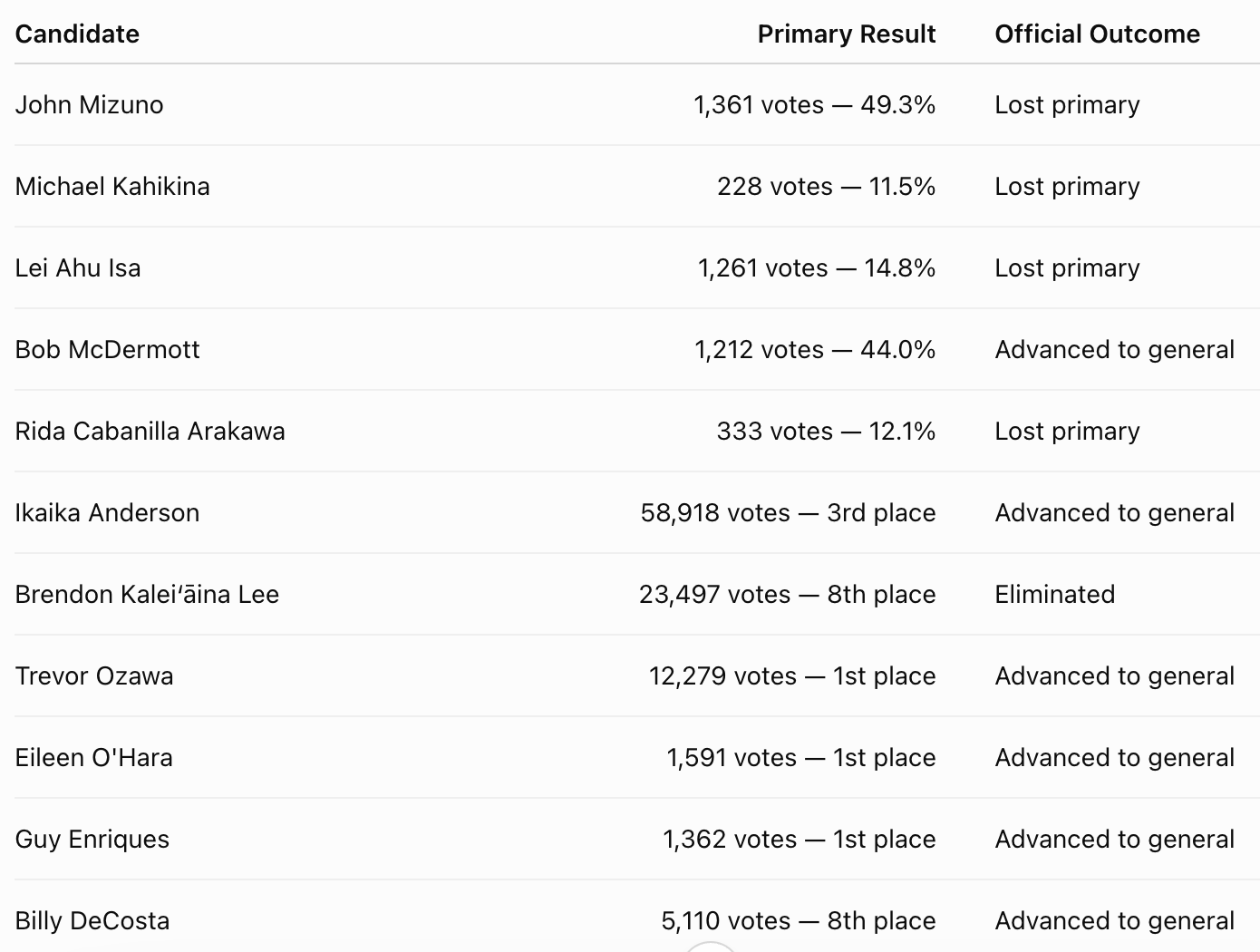
The results show that the veterans running for county council seats were all successful in making it through the primary — so DeCosta may get a “yeah, we like you” answer in the General.
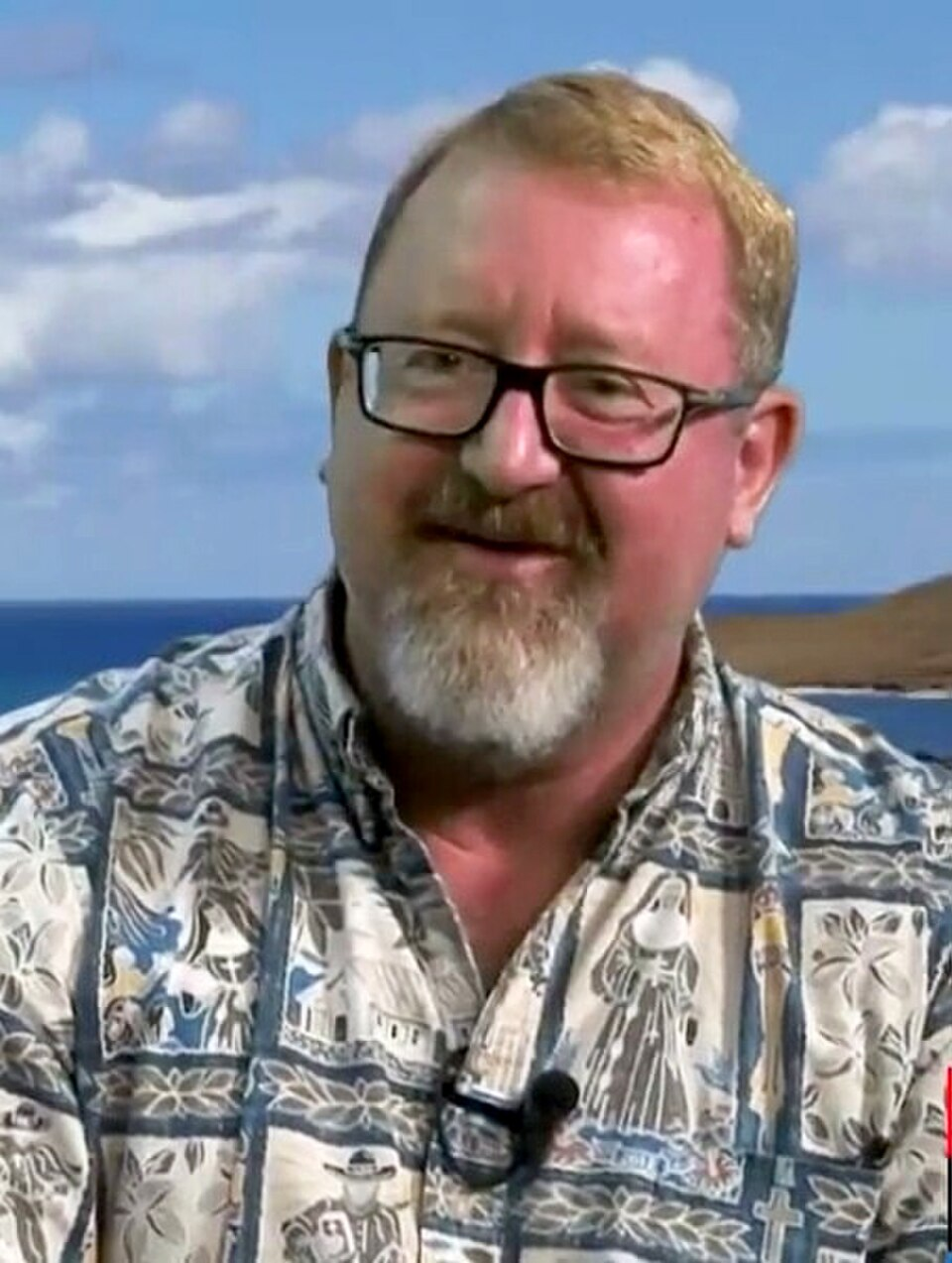
PC: ThinkTech Hawaii, CC BY 3.0 https://creativecommons.org/licenses/by/3.0, via Wikimedia Commons
OHA looks like a 50/50 split, with Lee losing but Anderson being one of the six candidates to advance for the three at-large OHA seats.
As for legislative (State House/Senate) races, the outcomes look less optimistic. Bob McDermott was the lone veteran to survive, but just barely. After tying incumbent Kurt Fevella at 1,212 votes apiece, McDermott won the August 15 drawing by lot and will advance to the General Election. All the other legislative veterans lost.
With the losses, there was considerable variation in how the legislative veterans performed. Mizuno came within 37 votes of taking back his old seat, while Kahikina received only about 11 percent of the vote against incumbent Darius Kila. Cabanilla Arakawa, who jumped into the Senate District 20 Republican primary, also finished well behind both McDermott and incumbent Kurt Fevella.
So, what happened?
One theory offered to this blogger was that some of these candidates campaigned like it was still 1990 — that having a familiar name, having served before, and reminding people of what you did while in office would be enough to get you elected again.
That obviously didn’t work.
Another theory had to do with messaging. What worked five, 10, or even 20 years ago may not work today. Voters change, campaigning changes, and the people now holding those seats have had time to build political bases of their own.
Still, being a veteran counted for something. Mizuno came within 37 votes of getting his old job back; McDermott fought an incumbent senator to a tie and, through the luck of the draw, made it through to November.
Perhaps that is the lesson from the comeback class of 2026. Having won before may help, but it isn’t enough by itself. You still have to give voters a reason to vote for you today, rather than reminding them why they voted for you years ago.
And for those who didn’t make it this time? Considering this whole article is about politicians trying to come back, I wouldn’t necessarily count on them staying gone.
Read past entries of Stan Fichtman and PoliticsHawaii.com!
Other sites that pick up PHwSF
Check out these other news aggregators that pick up Politics Hawaii in their feeds
Hawaii Free Press - Hawaii news aggrigator that is curated by Andrew Walden
All Hawaii News - Another Hawaii-based aggregator from Hilo, HI
Feedspot - Picks up blogs and other publications from all over.
Social Media Feeds
Here is where you can find Politics Hawaii posts on Social Media!
Facebook: Politics Hawaii
Nextdoor: S.J. Fichtman
Instagram (if you want to see nice photos): S.J. Fichtman
Periodically, the blog will also post on Medium, <https://politicshawaii.medium.com/>
Blogroll
Here are some of the other great blogs about Hawaii
Peter Kay's "Living in Hawaii"
Hawaii Free Press - Andrew Walden
Danny DeGraciaʻs Substack (link goes to subscription to read)
What am I listening to?
These are the Podcasters that I am listening to, try them out!
The Lincoln Project (on YouTube)
Chris Cillizza - who makes daily videos on politics (mostly national)
Who am I reading/getting news from
The publisher is choosy as to where the news comes from, here are some dependable sources he refer's to when reading up on topics
Civil Beat (Hawaii on-line newspaper)
Honolulu Star Advertiser (mostly paywalled, but you get free headlines)
The Best of The SuperflyOz Podcast
By Stan Fichtman
The best of my podcasts dating back from Jan. 2018.
Go to The Best of the SuperflyOz Podcast